

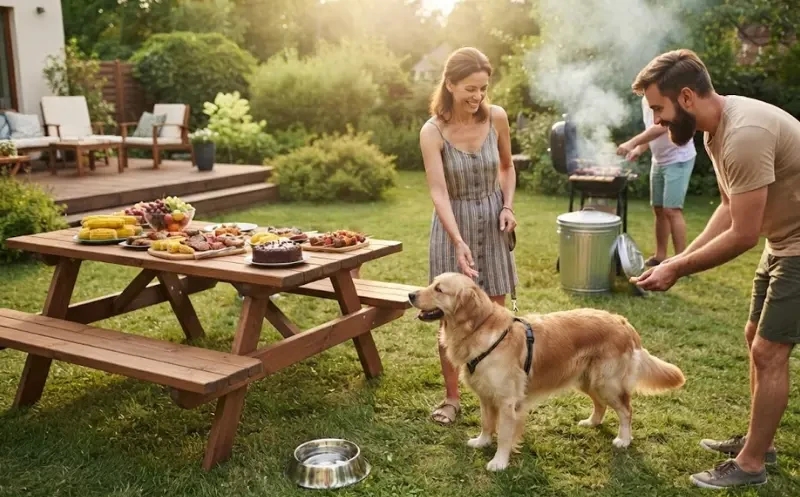
Summer barbecues are one of the best ways to enjoy warm weather with family and friends. As grills fire up and picnic tables fill with delicious food, many dogs naturally want to join the celebration. Their curious noses, wagging tails, and pleading eyes make it tempting to share a few bites. However, many popular barbecue foods can pose serious health risks to dogs.
Every summer, emergency veterinary hospitals see an increase in pets suffering from food related emergencies after backyard gatherings. From toxic ingredients to dangerous bones and fatty leftovers, seemingly harmless treats can quickly turn into life-threatening situations.
Knowing which foods to avoid and recognizing the warning signs of illness can help keep your dog safe while still allowing everyone to enjoy the festivities.
Why Summer Barbecues Can Be Dangerous for Dogs
Barbecues present several unique risks because they combine multiple foods that are unhealthy or even toxic for dogs. Unlike their carefully balanced diets, barbecue meals often contain excessive fat, salt, seasonings, sauces, and cooked bones that can upset a dog's digestive system or cause severe complications.
Dogs are opportunistic eaters. An unattended plate, overflowing garbage can, or dropped hamburger may disappear within seconds. Unfortunately, many pet owners don't realize their dog has eaten something dangerous until symptoms begin hours later.
While some pets experience mild stomach upset, others may develop serious medical emergencies requiring immediate veterinary treatment.
Fatty Meats Can Trigger Pancreatitis
Grilled burgers, steaks, sausages, ribs, bacon, and brisket are barbecue favorites, but they contain high amounts of fat that dogs are not designed to digest in large quantities.
Consuming fatty foods can trigger pancreatitis, a painful inflammation of the pancreas that can develop suddenly. This condition may require hospitalization, intravenous fluids, pain management, and intensive supportive care.
Symptoms may include:
- Repeated vomiting
- Severe diarrhea
- Loss of appetite
- Painful abdomen
- Hunched posture
- Weakness
- Fever
- Dehydration
Pancreatitis can become life-threatening if left untreated, making prompt veterinary evaluation essential.
Cooked Bones Can Cause Serious Injuries
Many people assume giving dogs leftover rib, chicken, or pork bones is a natural treat. Unfortunately, cooked bones become brittle and can easily splinter.
Sharp bone fragments may:
- Become lodged in the mouth or throat
- Damage the esophagus
- Puncture the stomach or intestines
- Cause intestinal blockages
- Lead to choking emergencies
Even larger bones that do not splinter may become stuck inside the digestive tract, requiring surgery for removal.
If your dog swallows a cooked bone, avoid attempting to induce vomiting and contact an emergency veterinarian immediately for guidance.
Onions and Garlic Are Highly Toxic
Many barbecue recipes contain onions, garlic, shallots, or onion powder for flavor. These ingredients are toxic to dogs, whether they are raw, cooked, dried, or powdered.
Onions and garlic damage red blood cells, potentially causing hemolytic anemia. Symptoms may not appear immediately and sometimes develop over several days.
Watch for:
- Weakness
- Pale gums
- Rapid breathing
- Increased heart rate
- Lethargy
- Collapse
- Dark-colored urine
Even small amounts can be dangerous for some dogs, particularly smaller breeds.
Corn on the Cob Is More Dangerous Than the Corn
Plain corn kernels are generally not toxic to dogs in moderation, but corn cobs are a common cause of intestinal obstruction.
Dogs often swallow entire sections of the cob because they retain the smell and flavor of butter, meat juices, and seasonings.
Once swallowed, the cob cannot be digested and may block the intestines completely.
Signs of an intestinal blockage include:
- Persistent vomiting
- Abdominal pain
- Refusal to eat
- Constipation
- Lethargy
- Dehydration
Many dogs require emergency surgery to remove the obstruction.
Grapes and Raisins Can Cause Kidney Failure
Fruit platters and salads often include grapes or raisins. While healthy for people, these fruits are extremely toxic to dogs.
Even small quantities may trigger acute kidney failure in susceptible dogs.
Symptoms include:
- Vomiting
- Diarrhea
- Increased thirst
- Reduced urination
- Weakness
- Loss of appetite
Because kidney damage can occur quickly, immediate veterinary care offers the best chance for successful treatment.
Alcohol Can Become a Veterinary Emergency
Guests may accidentally leave alcoholic beverages unattended where curious pets can reach them.
Dogs are much more sensitive to alcohol than humans.
Even relatively small amounts can affect the central nervous system, leading to:
- Disorientation
- Vomiting
- Difficulty walking
- Low body temperature
- Slow breathing
- Low blood sugar
- Seizures
- Coma
Alcohol poisoning requires immediate emergency veterinary attention.
Chocolate Desserts Remain a Common Emergency
Summer celebrations often include brownies, chocolate cake, cookies, or chocolate-covered desserts.
Chocolate contains theobromine and caffeine, compounds that dogs cannot metabolize efficiently.
Depending on the amount consumed and the dog's size, chocolate poisoning may cause:
- Hyperactivity
- Restlessness
- Vomiting
- Elevated heart rate
- Muscle tremors
- High blood pressure
- Seizures
Dark chocolate and baking chocolate contain the highest concentrations and are especially dangerous.
Sugar-Free Foods May Contain Xylitol
Many sugar-free products, including gum, candies, baked goods, peanut butter, and desserts, contain xylitol, an artificial sweetener that is extremely toxic to dogs.
Xylitol can cause:
- Rapid blood sugar drops
- Weakness
- Collapse
- Seizures
- Liver failure
Symptoms often develop within minutes to an hour after ingestion, making immediate veterinary treatment critical.
Rich Sauces and Seasonings Can Upset Your Dog's Stomach
Barbecue sauces, marinades, spice rubs, and seasonings often contain ingredients unsuitable for dogs.
Common problematic ingredients include:
- Onion powder
- Garlic powder
- Excess salt
- Chili peppers
- Black pepper
- Mustard
- Artificial sweeteners
Even when ingredients are not toxic, rich foods frequently lead to vomiting, diarrhea, dehydration, and digestive discomfort.
Garbage Can Become a Hidden Hazard
After the barbecue ends, overflowing garbage bags may contain multiple dangerous items.
Dogs commonly investigate discarded:
- Meat wrappers
- Skewers
- Aluminum foil
- Corn cobs
- Bones
- Fat trimmings
These materials can cause poisoning, gastrointestinal obstruction, choking, or intestinal perforation.
Secure trash immediately after outdoor gatherings to prevent accidental ingestion.
Signs Your Dog Needs Emergency Veterinary Care
If your dog consumes a potentially dangerous barbecue food, don't wait for symptoms to worsen.
Seek emergency veterinary attention immediately if your dog experiences:
- Continuous vomiting
- Bloody diarrhea
- Difficulty breathing
- Seizures
- Collapse
- Extreme lethargy
- Severe abdominal pain
- Inability to keep water down
- Pale gums
- Unresponsiveness
Early treatment often leads to better outcomes and may prevent serious complications.
Tips for a Safe Pet-Friendly Barbecue
Keeping your dog safe doesn't mean excluding them from family fun.
Simple precautions include:
- Feed your dog before guests arrive.
- Keep pets away from food preparation areas.
- Ask guests not to feed table scraps.
- Store leftovers promptly.
- Secure garbage bins with tight-fitting lids.
- Keep alcohol and desserts out of reach.
- Provide fresh water throughout the day.
- Offer dog-safe treats instead of human food.
- Supervise your dog during the entire gathering.
Planning ahead significantly reduces the risk of accidental poisoning or injury.
When in Doubt, Call an Emergency Veterinarian
Sometimes pet owners aren't sure how much of a dangerous food their dog consumed. Waiting to "see what happens" can allow toxins to cause additional damage before treatment begins.
If you suspect your dog has eaten something potentially harmful during a barbecue, contacting an emergency veterinary team right away is the safest decision. Veterinary professionals can evaluate the specific risk, recommend immediate steps, and begin treatment if necessary before the condition becomes more serious.
Prompt care often leads to faster recovery and can prevent life-threatening complications.
Final Thoughts
Summer barbecues create wonderful memories, but they also introduce several hidden hazards for curious dogs. Fatty meats, cooked bones, onions, garlic, grapes, chocolate, alcohol, xylitol, and corn cobs are just a few of the foods that can quickly turn a fun afternoon into an emergency.
By understanding these risks, supervising your pet closely, and keeping dangerous foods out of reach, you can help your dog enjoy a safe and healthy summer alongside the rest of the family.
If your dog accidentally consumes a toxic food or develops concerning symptoms after a barbecue, don't delay seeking professional care. Fast action can make all the difference in protecting your pet's health and ensuring they return home safely.