

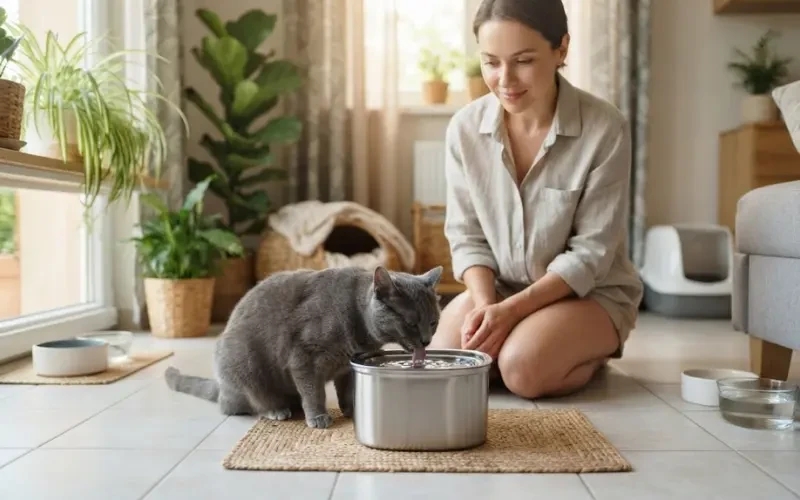
While many people associate summer hazards with dogs enjoying outdoor activities, hot weather can also pose significant health risks for cats. Even indoor cats are not immune to the effects of rising temperatures.
As the weather becomes warmer, dehydration becomes more common, and one of the most concerning consequences is the increased risk of urinary tract problems.
Cats naturally have a low thirst drive because their ancestors evolved in arid environments where much of their hydration came from prey. Modern domestic cats often continue this habit, drinking less water than they actually need.
During periods of hot weather, this natural tendency can quickly lead to dehydration, making urine more concentrated and increasing the risk of urinary crystals, bladder inflammation, urinary tract infections, and life-threatening urinary blockages.
Understanding the relationship between heat, hydration, and urinary health can help cat owners recognize problems early and seek emergency veterinary care before complications become severe.
Why Hot Weather Increases the Risk of Urinary Problems
As temperatures rise, cats lose more water through normal body functions, including panting, grooming, and evaporation. If they fail to replace those fluids by drinking enough water, dehydration begins to develop.
When a cat becomes dehydrated, the kidneys conserve water by producing highly concentrated urine. Concentrated urine allows minerals to become more concentrated as well, increasing the likelihood of crystal formation within the bladder.
These crystals may irritate the bladder lining or combine to form stones that interfere with normal urination. In male cats, whose urethras are naturally narrower, these crystals can contribute to complete urinary obstruction one of the most serious emergencies seen in veterinary medicine.
Cats Are Experts at Hiding Illness
Cats are remarkably skilled at concealing pain and discomfort. This instinct helped protect them from predators in the wild but often delays recognition of illness at home.
Many owners do not notice urinary problems until the condition has progressed considerably.
Rather than obvious signs of pain, a cat may simply:
- Sleep more than usual
- Hide under furniture
- Become less social
- Eat less food
- Avoid interacting with family members
These subtle behavioral changes may be the earliest indication that something is wrong.
Understanding Feline Lower Urinary Tract Disease (FLUTD)
One of the most common urinary conditions affecting cats is Feline Lower Urinary Tract Disease (FLUTD). Rather than a single disease, FLUTD describes several conditions involving the bladder and urethra.
Common causes include:
- Bladder inflammation
- Urinary crystals
- Bladder stones
- Urinary tract infections
- Urethral plugs
- Stress-related bladder disease
Although these conditions differ, many produce similar symptoms and require prompt veterinary evaluation.
Early Signs of Dehydration in Cats
Recognizing dehydration before it becomes severe can help prevent urinary complications.
Some early warning signs include:
Reduced Water Intake
Ironically, many dehydrated cats do not suddenly begin drinking excessive amounts of water. Instead, they may continue their normal habits while their body slowly loses fluids.
Dry or Sticky Gums
Healthy gums should feel moist and smooth. Sticky or dry gums often indicate dehydration.
Loss of Skin Elasticity
When gently lifted, the skin over a well-hydrated cat's shoulders quickly returns to its normal position. Delayed return may indicate dehydration, although this test is less reliable in older cats.
Lethargy
Dehydrated cats often appear tired, weak, or less interested in normal activities.
Sunken Eyes
More advanced dehydration may cause the eyes to appear slightly sunken.
Reduced Appetite
Cats experiencing dehydration frequently lose interest in eating, which can further worsen their condition.
Signs Your Cat May Have a Urinary Problem
Urinary issues often begin gradually but can rapidly become emergencies.
Watch for symptoms such as:
- Frequent trips to the litter box
- Passing only small amounts of urine
- Straining while urinating
- Crying or vocalizing during urination
- Blood in the urine
- Urinating outside the litter box
- Excessive licking of the genital area
- Restlessness
- Hiding
- Decreased appetite
Even if your cat continues producing some urine, these symptoms should never be ignored.
Urinary Blockage Is a Life-Threatening Emergency
A complete urinary blockage prevents urine from leaving the bladder. Without treatment, toxins rapidly build up in the bloodstream, affecting the heart, kidneys, and other organs.
Male cats are particularly vulnerable because their urethra is long and narrow.
Signs of a blockage include:
- Repeated straining without producing urine
- Crying while attempting to urinate
- Large, firm bladder
- Vomiting
- Weakness
- Collapse
- Difficulty walking
- Loss of consciousness
Without emergency treatment, urinary obstruction can become fatal within 24 to 48 hours.
If you suspect your cat cannot urinate, seek emergency veterinary care immediately.
Which Cats Are Most at Risk?
Although urinary problems can affect any cat, certain factors increase the likelihood.
Higher-risk cats include:
- Male cats
- Middle-aged cats
- Indoor cats
- Overweight cats
- Cats eating only dry food
- Cats with previous urinary problems
- Cats experiencing stress
- Cats that drink very little water
Understanding these risk factors allows owners to monitor vulnerable cats more closely during warmer months.
How Veterinarians Diagnose Urinary Problems
Because different urinary conditions produce similar symptoms, diagnostic testing is often necessary.
Your veterinarian may recommend:
- Physical examination
- Urinalysis
- Urine culture
- Blood testing
- X-rays
- Ultrasound imaging
These tests help identify infections, crystals, stones, kidney problems, or urinary obstruction while guiding the most appropriate treatment plan.
Treatment Depends on the Underlying Cause
Treatment varies according to the specific condition affecting your cat.
Depending on the diagnosis, care may include:
- Intravenous fluids to correct dehydration
- Pain management
- Anti-inflammatory medications
- Antibiotics when infection is present
- Prescription urinary diets
- Bladder catheterization
- Removal of urinary obstruction
- Surgery for bladder stones when necessary
Cats with urinary blockages often require hospitalization and continuous monitoring until they can urinate normally again.
Helping Your Cat Stay Hydrated During Summer
Preventing dehydration is one of the best ways to support urinary health.
Simple steps include:
Provide Multiple Water Stations
Place fresh water bowls throughout your home so your cat always has easy access.
Use a Cat Water Fountain
Many cats prefer moving water, encouraging them to drink more frequently.
Feed Moist Food
Canned food contains significantly more moisture than dry kibble and contributes to daily hydration.
Refresh Water Frequently
Clean, cool water is often more appealing, especially during hot weather.
Keep Your Home Cool
Air conditioning, fans, and shaded resting areas reduce fluid loss from overheating.
Minimize Stress
Stress contributes to many feline urinary disorders. Maintain consistent routines and provide quiet hiding spaces.
Monitor Litter Box Habits
Cleaning the litter box daily allows you to notice changes in urination sooner.
When Should You Visit an Emergency Veterinarian?
Some urinary problems can wait for a same-day veterinary appointment, but others require immediate emergency care.
Seek emergency veterinary attention if your cat:
- Cannot produce urine
- Strains repeatedly without success
- Cries while attempting to urinate
- Has blood in the urine accompanied by lethargy
- Vomits while showing urinary symptoms
- Appears weak or collapses
- Becomes unresponsive
- Shows signs of severe dehydration
Waiting even a few hours during a urinary blockage can significantly reduce the chances of a successful recovery.
Keeping Your Cat Safe Throughout the Summer
While summer brings longer days and warmer temperatures, it also increases the importance of monitoring your cat's hydration and urinary health. Encouraging water intake, feeding moisture-rich foods, maintaining a cool indoor environment, and observing litter box habits can all reduce the risk of serious complications.
Routine observation is one of the most valuable tools a cat owner has. Small changes in behavior or bathroom habits often provide the earliest clues that something is wrong.
Final Thoughts
Hot weather can quietly increase the risk of dehydration and urinary problems in cats, even for those that spend their entire lives indoors. Because cats naturally drink less water and often hide signs of illness, urinary conditions may progress before owners realize there is a problem.
Recognizing early symptoms such as straining to urinate, frequent litter box visits, reduced appetite, lethargy, or signs of dehydration can make a critical difference in your cat's outcome. Prompt veterinary evaluation allows treatment to begin before complications become life-threatening.
If your cat is struggling to urinate, appears dehydrated, or suddenly shows unusual changes in behavior during warm weather, don't delay seeking emergency care. At Intercity Animal Emergency Clinic, our experienced emergency veterinary team is available to provide rapid assessment, advanced diagnostics, and compassionate treatment when your feline companion needs immediate medical attention.
Early intervention can protect your cat's urinary health and help them recover safely so they can return home to the family that loves them.