

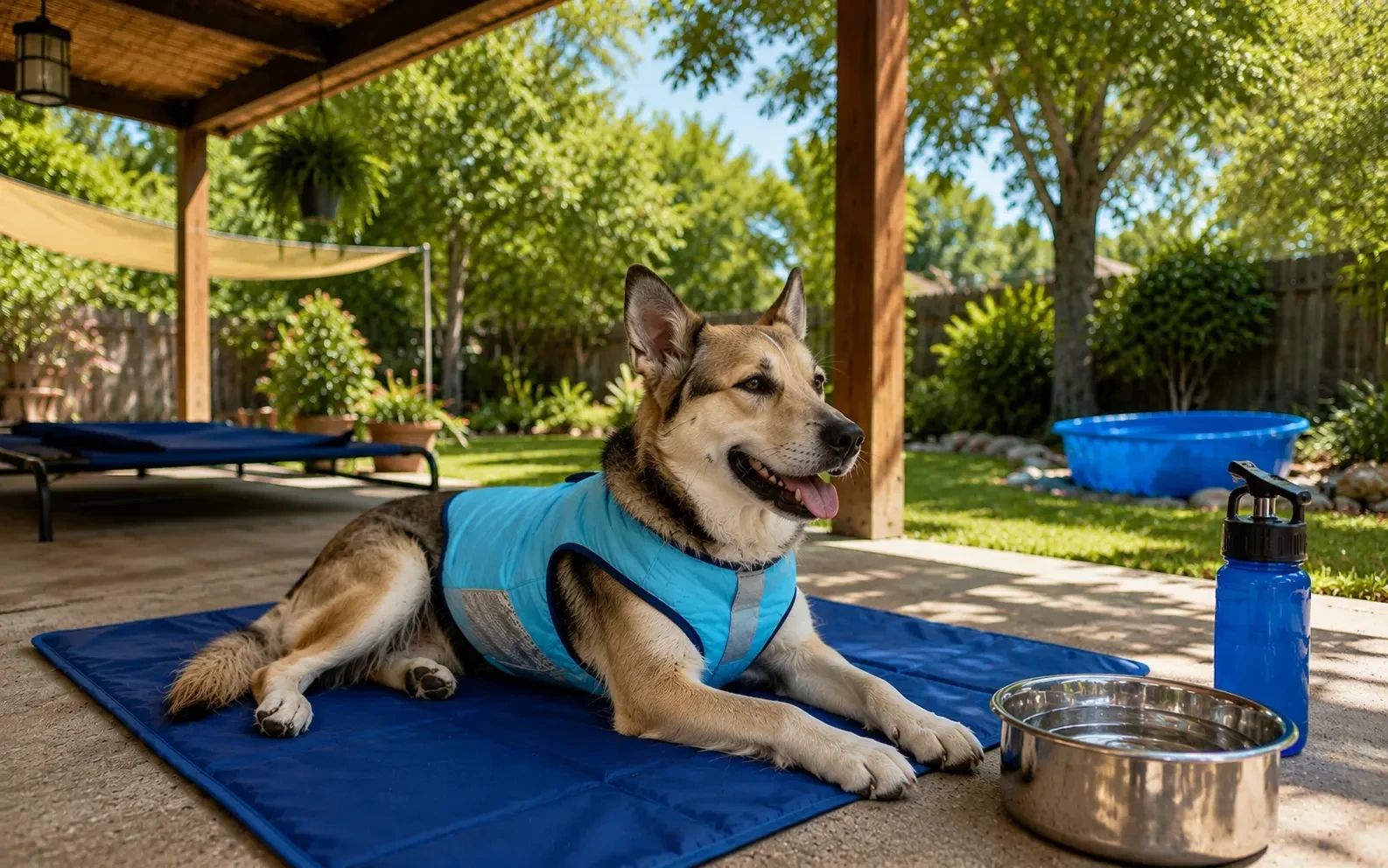
Summer is a wonderful time for outdoor adventures, longer walks, and quality time with our canine companions. However, warmer temperatures can quickly become dangerous for dogs, especially when heat and humidity rise. Unlike humans, dogs do not sweat efficiently through their skin.
Instead, they rely primarily on panting and limited sweating through their paw pads to regulate body temperature. This makes them significantly more vulnerable to overheating, heat exhaustion, and potentially life-threatening heat stroke.
At Vancouver Animal Emergency & Referral Centre, we often see pets suffering from heat-related illnesses during the warmer months. Fortunately, many cases can be prevented with proper awareness, preparation, and cooling strategies. Understanding how to recognize early signs of overheating and taking proactive measures can help keep your dog safe and comfortable all summer long.
Why Dogs Overheat More Easily Than Humans
Dogs have a natural cooling system, but it is not nearly as effective as human sweating. When temperatures climb, a dog's body works harder to release excess heat through panting. If environmental conditions become too hot or humid, this cooling mechanism may not be enough.
Several factors increase a dog's risk of overheating, including:
- Thick or double coats
- Brachycephalic breeds such as Bulldogs, Pugs, and Boston Terriers
- Obesity
- Advanced age
- Heart disease
- Respiratory conditions
- Excessive exercise during hot weather
- Lack of access to shade or water
Even healthy dogs can experience heat stress if exposed to high temperatures for extended periods.
Understanding Heat Stress, Heat Exhaustion, and Heat Stroke
Heat-related illness typically progresses through several stages.
Heat Stress
This is the earliest stage and often includes:
- Increased panting
- Seeking cool surfaces
- Mild lethargy
- Excessive thirst
Heat Exhaustion
As body temperature continues to rise, symptoms become more serious:
- Heavy panting
- Excessive drooling
- Weakness
- Vomiting
- Diarrhea
- Increased heart rate
Heat Stroke
Heat stroke is a veterinary emergency that requires immediate medical attention.
Symptoms may include:
- Collapse
- Confusion
- Seizures
- Bright red or pale gums
- Difficulty breathing
- Loss of consciousness
- Organ failure
Without rapid treatment, heat stroke can become fatal within a short period.
How Cooling Vests Help Dogs Stay Comfortable
One of the most effective summer tools available for dogs is a cooling vest. These specially designed garments help lower body temperature through evaporative cooling technology.
Cooling vests are typically soaked in cool water before use. As the water gradually evaporates, heat is pulled away from the dog's body, creating a cooling effect.
Benefits of Cooling Vests
Improved Temperature Regulation
Cooling vests help maintain a safer body temperature during outdoor activities.
Better Comfort During Walks
Dogs often remain more comfortable during walks and hikes when wearing a cooling vest.
Reduced Risk of Heat Stress
While not a substitute for proper precautions, cooling vests can significantly reduce overheating risks.
Ideal for High-Risk Dogs
Senior dogs, overweight dogs, and brachycephalic breeds often benefit greatly from additional cooling support.
Choosing the Right Cooling Vest
When selecting a cooling vest, look for:
- Lightweight materials
- Breathable fabric
- Adjustable fit
- Durable construction
- Full chest and back coverage
A properly fitted vest should allow unrestricted movement while maintaining good contact with the body.
Summer Cooling Hacks Every Dog Owner Should Know
Cooling vests are valuable, but they work best when combined with other summer safety practices.
1. Walk During Cooler Hours
Early mornings and evenings are usually much safer than midday.
Avoid outdoor exercise during peak heat hours, typically between 11 a.m. and 5 p.m.
The pavement can become extremely hot and may burn paw pads. A simple test is to place your hand on the pavement for seven seconds. If it feels too hot for you, it is too hot for your dog.
2. Always Carry Fresh Water
Hydration is one of the most important defenses against overheating.
Bring a portable water bottle and collapsible bowl during walks.
Encourage frequent drinking breaks, especially after physical activity.
3. Create Shaded Rest Areas
Whether you are spending time in the backyard or at a park, ensure your dog has access to shade.
Good options include:
- Trees
- Covered patios
- Pop-up canopies
- Cooling tents designed for pets
Never assume that direct sunlight exposure is safe, even for short periods.
4. Use Cooling Mats
Cooling mats provide a comfortable place for dogs to rest during hot weather.
Many products use pressure-activated cooling gel that remains cool without refrigeration.
Place cooling mats indoors, on patios, or inside travel crates for additional comfort.
5. Offer Frozen Treats
Frozen treats can help lower body temperature while providing enrichment.
Popular options include:
- Frozen dog-safe broth cubes
- Frozen watermelon pieces
- Ice cubes made with diluted bone broth
- Frozen dog treats approved by your veterinarian
Always ensure ingredients are safe for canine consumption.
6. Keep Indoor Temperatures Comfortable
Air conditioning can significantly reduce heat-related risks.
If air conditioning is unavailable, consider:
- Fans
- Cooling mats
- Closed curtains during the hottest hours
- Proper ventilation
Indoor environments can become surprisingly warm during heat waves.
7. Never Leave Dogs in Parked Vehicles
This remains one of the most dangerous summer mistakes.
Even on relatively mild days, vehicle temperatures can rise dramatically within minutes.
Cracking the windows is not sufficient protection.
A car parked in the sun can quickly become a deadly environment for a dog.
Recognizing Early Warning Signs of Overheating
Quick recognition can prevent a minor issue from becoming a medical emergency.
Watch for:
- Excessive panting
- Drooling
- Bright red tongue
- Increased heart rate
- Restlessness
- Weakness
- Staggering
- Vomiting
If any of these signs occur, immediately move your dog to a cooler environment and begin gentle cooling measures.
What to Do If Your Dog Is Overheating
Immediate action is critical.
Move to a Cool Location
Bring your dog indoors or into a shaded area immediately.
Offer Cool Water
Allow small amounts of cool water.
Avoid forcing your dog to drink.
Apply Cool Water
Use cool—not ice-cold—water on:
- Paw pads
- Belly
- Groin area
- Neck
Ice water can actually worsen the situation by causing blood vessels to constrict.
Use Fans
Increase airflow to support evaporative cooling.
Contact an Emergency Veterinarian
Even if your dog appears to improve, internal complications can still develop.
Professional evaluation is strongly recommended whenever significant overheating occurs.
Breeds That Require Extra Summer Precautions
Certain breeds face elevated risks due to their physical characteristics.
These include:
- English Bulldogs
- French Bulldogs
- Pugs
- Boston Terriers
- Boxers
- Shih Tzus
- Chow Chows
- Huskies
- Newfoundlands
Owners of these breeds should be particularly vigilant during hot weather.
The Importance of Emergency Care for Heat Stroke
Heat stroke affects far more than body temperature.
It can cause:
- Kidney damage
- Liver injury
- Neurological complications
- Blood clotting abnormalities
- Cardiac issues
- Respiratory distress
Emergency veterinary treatment may include:
- Intravenous fluids
- Oxygen therapy
- Blood pressure monitoring
- Laboratory testing
- Advanced supportive care
Prompt intervention dramatically improves outcomes.
Creating a Summer Safety Plan for Your Dog
Preparation is often the best protection.
Consider creating a simple heat-safety routine that includes:
- Monitoring weather forecasts
- Limiting outdoor activity during heat waves
- Carrying water at all times
- Using cooling vests when appropriate
- Providing shaded rest areas
- Knowing the location of your nearest emergency veterinary hospital
Having a plan helps reduce risks before problems develop.
Final Thoughts
Summer should be a season of fun, exercise, and outdoor enjoyment—not emergency veterinary visits. Cooling vests can be an excellent tool for helping dogs stay comfortable during warmer weather, but they work best when combined with proper hydration, shade, cooling accessories, and smart scheduling of outdoor activities.
Most importantly, pet owners should learn to recognize the early warning signs of overheating before they progress into heat exhaustion or heat stroke. Quick action can make a significant difference in protecting your dog's health and well-being.
If your dog shows signs of heat stress, heat exhaustion, or heat stroke, immediate veterinary attention is essential. The team at Vancouver Animal Emergency & Referral Centre is committed to providing emergency and critical care when pets need it most, helping families navigate urgent situations and supporting pets through recovery during every season of the year.