

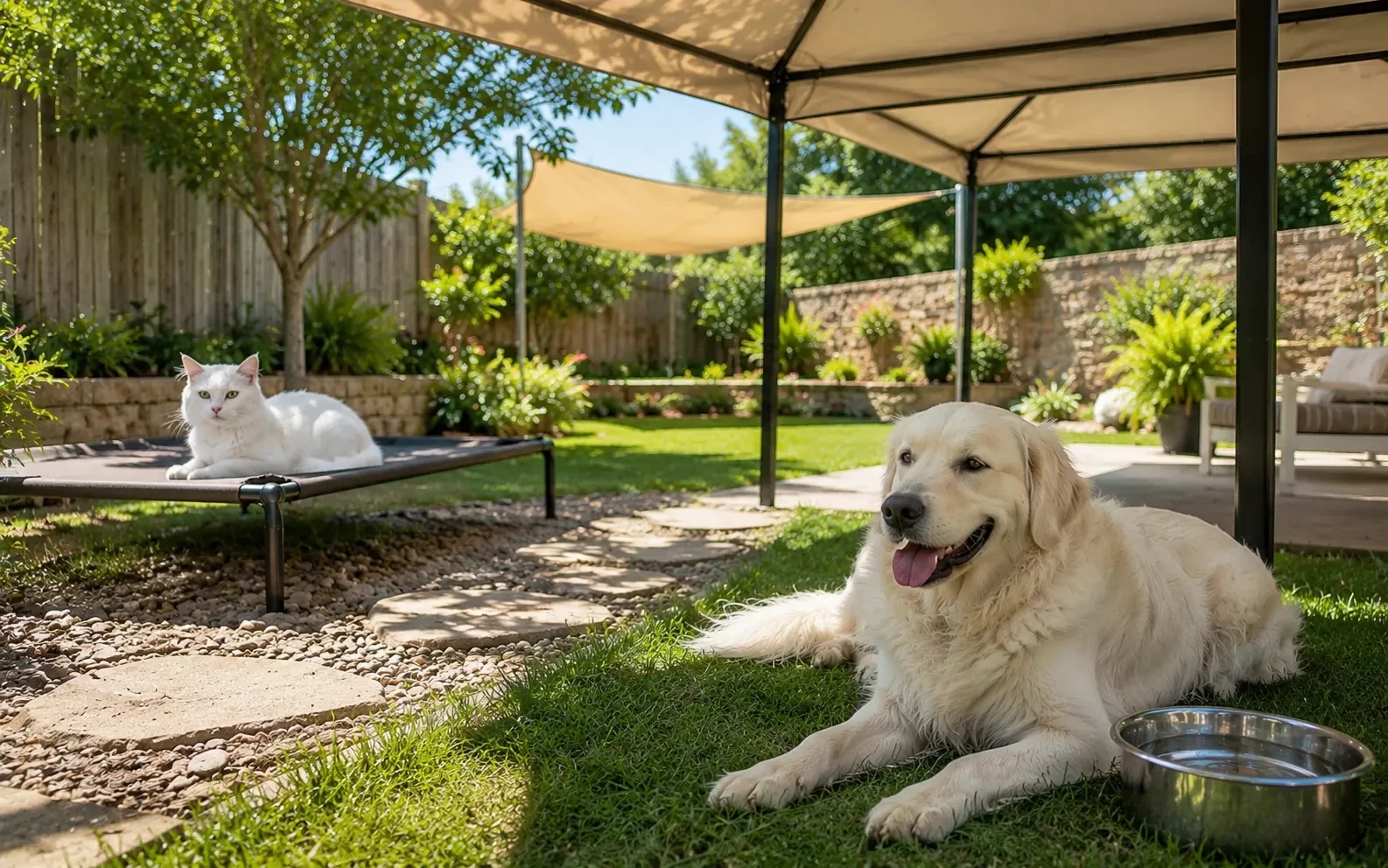
When most people think about sun protection, they naturally focus on themselves and their families. However, many pet owners are surprised to learn that dogs and cats can also suffer from harmful ultraviolet (UV) radiation exposure. Just like humans, pets can experience sunburn, skin irritation, and even an increased risk of certain skin cancers when exposed to excessive sunlight.
Light-coated dogs and cats are particularly vulnerable because they have less natural pigmentation to shield their skin from UV rays. During the summer months, when outdoor activities increase and sunlight becomes more intense, understanding how to protect your pet from sun-related damage becomes an important part of responsible pet care.
At Vancouver Animal Emergency & Referral Centre, we encourage pet owners to take proactive steps to reduce UV exposure and recognize the signs of sun damage before serious health issues develop. Learning about pet-safe sunscreen and other protective measures can help your companion enjoy the outdoors safely throughout the year.
Why Sun Protection Matters for Pets
Many pet owners assume that fur provides complete protection from sunlight. While coats do offer some degree of coverage, they are not always enough to prevent UV damage.
Areas with thin fur or exposed skin are especially susceptible to sunburn, including:
- Nose
- Ears
- Eyelids
- Belly
- Groin
- Lips
- Areas with sparse hair coverage
Repeated exposure to UV rays can cause cumulative skin damage over time, potentially leading to chronic skin problems and more serious medical conditions.
Sun protection is particularly important during:
- Summer months
- Heat waves
- Beach visits
- Hiking trips
- Outdoor sporting events
- Long walks in direct sunlight
Which Pets Are Most at Risk?
While all pets can benefit from UV protection, some face significantly higher risks.
Light-Colored Dogs
Dogs with white, cream, or light-colored coats typically have less pigment in both their fur and skin.
Examples include:
- Dalmatians
- Bull Terriers
- Boxers
- White German Shepherds
- American Bulldogs
- Whippets
- Greyhounds
Light-Colored Cats
White and light-colored cats are among the most vulnerable pets when it comes to UV exposure.
Cats with white ears and pink skin are especially susceptible to sun-related skin damage.
Hairless Breeds
Hairless pets have very little natural protection against UV radiation.
Examples include:
- Sphynx cats
- Chinese Crested dogs
- American Hairless Terriers
Pets with Thin Coats
Senior pets or animals with certain medical conditions may develop thinner coats that expose more skin to sunlight.
Understanding Sunburn in Pets
Sunburn occurs when UV rays damage the outer layers of the skin.
While it may seem like a minor problem initially, repeated sunburn episodes can lead to long-term consequences.
Common Signs of Sunburn
Pet owners should watch for:
- Red skin
- Flaking skin
- Crusting
- Tenderness
- Increased sensitivity to touch
- Dry skin
- Hair loss
- Scratching or rubbing affected areas
Sunburn most commonly appears on the ears, nose, and sparsely haired regions.
In severe cases, skin may blister or develop open sores.
Long-Term Risks of UV Exposure
Sunburn is not the only concern associated with prolonged UV exposure.
Repeated damage can contribute to:
Chronic Skin Inflammation
Persistent exposure can lead to ongoing irritation and discomfort.
Premature Skin Aging
Just as in humans, UV rays can accelerate skin aging in pets.
Skin Lesions
Repeated sun damage may cause abnormal skin growths and lesions.
Skin Cancer
Certain forms of skin cancer have been associated with chronic UV exposure.
Examples include:
- Squamous cell carcinoma
- Hemangioma
- Hemangiosarcoma
White cats are particularly prone to developing squamous cell carcinoma on the ears and nose after years of sun exposure.
Early prevention plays a critical role in reducing these risks.
Is Sunscreen Safe for Dogs and Cats?
The answer is yes, but only when using products specifically designed for pets.
Human sunscreen should never be applied to dogs or cats without veterinary approval.
Many human sunscreen products contain ingredients that can be harmful if ingested, including:
- Zinc oxide
- Salicylates
- Certain preservatives
- Artificial fragrances
Because pets frequently lick their fur and skin, accidental ingestion is a significant concern.
Always choose veterinary-approved sunscreen products formulated specifically for pets.
How to Apply Pet-Safe Sunscreen
Proper application helps maximize protection.
Focus on vulnerable areas such as:
- Nose
- Ear tips
- Eyelids
- Belly
- Areas with thin fur
Application Tips
- Follow product instructions carefully.
- Apply sunscreen before outdoor activities.
- Reapply as recommended.
- Prevent licking until the product has dried.
- Avoid contact with eyes.
Some pets may initially resist sunscreen application, so gradual introduction and positive reinforcement can help.
Additional UV Protection Strategies
Sunscreen is only one component of a complete sun-safety plan.
1. Limit Midday Sun Exposure
UV radiation is strongest between approximately 10 a.m. and 4 p.m.
Whenever possible:
- Walk dogs early in the morning.
- Schedule outdoor play later in the evening.
- Encourage indoor rest during peak sun hours.
2. Seek Shade
Shade significantly reduces UV exposure.
Useful options include:
- Trees
- Covered patios
- Canopies
- Umbrellas
- Outdoor shelters
When visiting parks or beaches, choose locations that provide ample shaded areas.
3. Consider UV-Protective Clothing
Specially designed pet shirts and UV-protective garments can provide additional protection.
These products are especially useful for:
- Hairless breeds
- Light-coated pets
- Pets recovering from surgery
- Animals with skin disorders
Lightweight fabrics help maintain comfort while reducing sun exposure.
4. Create Safe Outdoor Spaces
Pet-friendly backyards can be designed with sun safety in mind.
Helpful additions include:
- Covered resting areas
- Cooling stations
- Water fountains
- Shade sails
- Raised covered beds
Providing comfortable alternatives encourages pets to avoid prolonged exposure.
5. Monitor Reflective Surfaces
Many owners overlook the impact of reflected sunlight.
UV rays can bounce off:
- Water
- Sand
- Concrete
- Glass
- Snow
This increases total UV exposure, even when pets are not directly facing the sun.
Special Considerations for Cats
Cats often choose their own sunny resting spots, making UV protection more challenging.
Indoor cats may still experience significant UV exposure through windows.
Protecting Indoor Cats
Consider:
- UV-blocking window film
- Window shades
- Alternative resting areas away from direct sunlight
White cats frequently enjoy lounging in windowsills, making monitoring especially important.
Outdoor Cats
Outdoor cats face greater risks because they spend extended periods exposed to sunlight.
Owners should provide:
- Shaded shelters
- Covered patios
- Limited midday outdoor access
Routine skin examinations can help identify problems early.
Warning Signs That Require Veterinary Attention
Some symptoms indicate more serious skin damage and should not be ignored.
Contact a veterinarian if you notice:
- Persistent redness
- Skin ulcers
- Crusting that does not heal
- Bleeding lesions
- Changes in skin color
- Thickened skin
- New lumps or bumps
- Hair loss that worsens over time
Early diagnosis often leads to better treatment outcomes.
What to Do If Your Pet Gets Sunburned
If you suspect sunburn:
Move Your Pet Indoors
Remove your pet from direct sunlight immediately.
Offer Fresh Water
Hydration supports recovery and overall health.
Avoid Home Remedies
Do not apply human lotions, creams, or aloe products without veterinary guidance.
Schedule a Veterinary Evaluation
Moderate or severe sunburn may require professional treatment.
Prompt care can help prevent complications and improve comfort.
Building a Summer Sun Safety Routine
Preventing UV damage is easier than treating its consequences.
A comprehensive routine may include:
- Daily weather monitoring
- Pet-safe sunscreen
- Access to shade
- Fresh drinking water
- UV-protective clothing when appropriate
- Regular skin checks
- Veterinary wellness examinations
Consistency is key to long-term protection.
The Connection Between Sun Protection and Overall Pet Health
Sun safety is about more than preventing temporary discomfort.
Protecting your pet from UV damage contributes to:
- Healthier skin
- Reduced inflammation
- Improved comfort
- Lower cancer risks
- Better long-term quality of life
Small preventive measures can have lasting benefits for your companion's well-being.
Final Thoughts
Light-coated dogs and cats face unique challenges when it comes to sun exposure. While many pet owners focus on hydration and heat safety during the summer, UV protection is an equally important aspect of seasonal pet care. Sunburn, chronic skin damage, and certain skin cancers can develop after repeated exposure to harmful ultraviolet rays.
Fortunately, a combination of pet-safe sunscreen, shaded environments, UV-protective clothing, and smart scheduling of outdoor activities can significantly reduce these risks. By understanding your pet's individual needs and recognizing early signs of sun damage, you can help them safely enjoy outdoor adventures while protecting their long-term health.
If you notice signs of severe sunburn, unusual skin lesions, persistent irritation, or other concerning symptoms, seek veterinary care promptly. The team at Vancouver Animal Emergency & Referral Centre is dedicated to providing advanced emergency and specialty care for pets when urgent health concerns arise, helping keep your beloved companions healthy, comfortable, and protected throughout every season.